
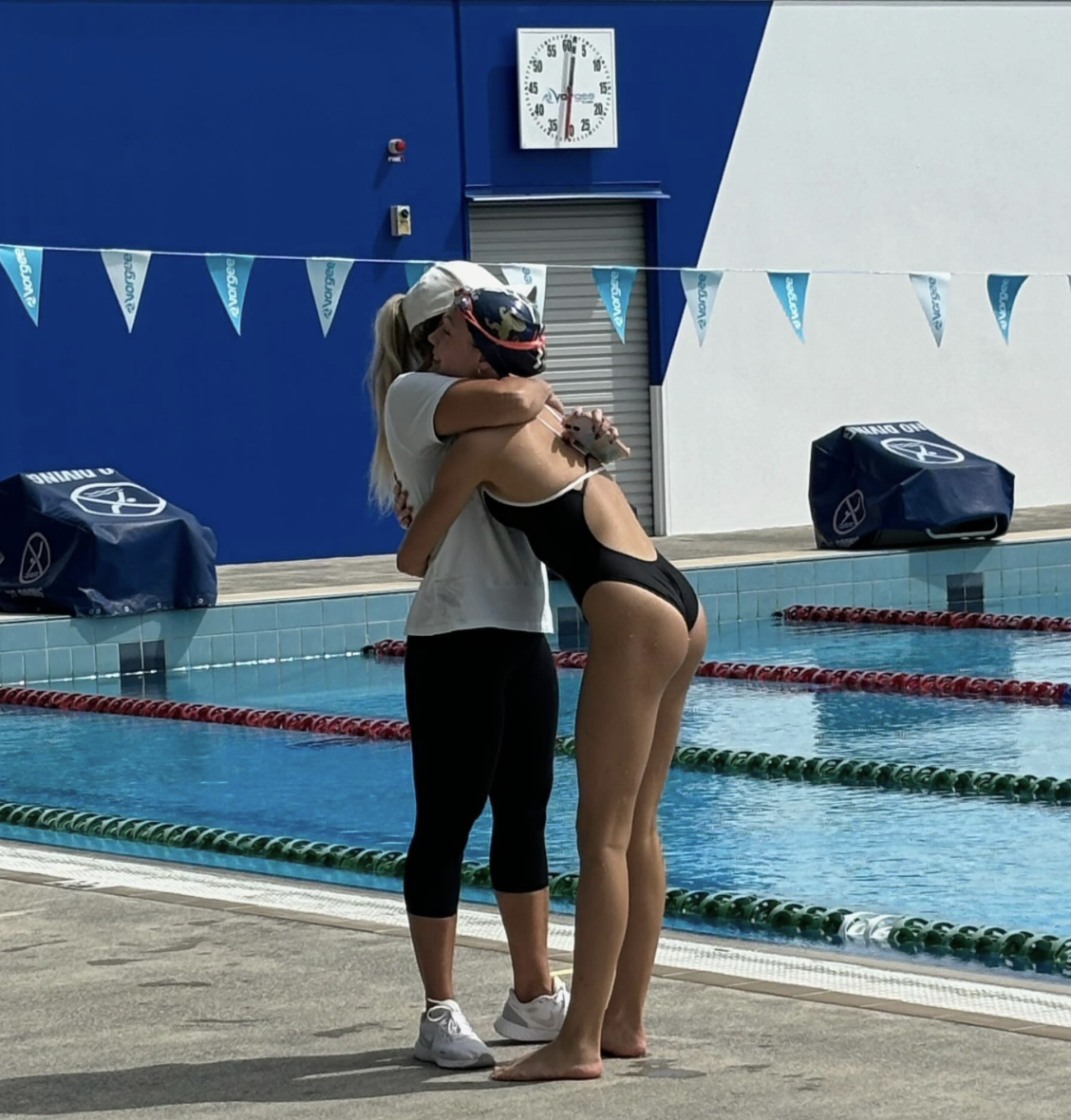
 The relationship between a coach and athlete typically entails differences in power, especially between adult coaches and youth athletes. These differences can be constructive—as coaches use their knowledge and experience to help athletes stay safe, develop skills, and perform at a higher level.
Good quality coach-athlete relationships matter not only because they drive better results, but also because they create a social environment within which both the coach and the athlete feel positive, happy, energized, determined and strong.
Athletes are impacted every day by the decisions and actions put forth by their coaches. This is why it is a coach’s responsibility to put the goals and needs of their athletes first and strive to provide their athletes with the tools they need to succeed.
The relationship consists of three components: closeness, commitment, and complementarity. Closeness is defined as how the coach and athlete feel emotionally close to each other in the relationship. Commitment refers to individuals’ intentions to maintain their coach-athlete relationship over time.
The success of a coaching relationship is determined by the results achieved. Building trust, having open communication, celebrating milestones together, and leaving a lasting impact on the coachee’s personal and professional development are signs of a fruitful coaching relationship.
What defines a good coach?
A successful coach is a motivator with a positive attitude and enthusiasm for the sport and the athletes. A coach who can motivate is able to generate the desire to excel in their athletes. When motivating a player, a good coach stresses trying to reach performance goals, not outcome goals.
What do you think???